



 You’re in marketing for one reason: Grow. Grow your company, reputation, customers, impact, profits. Grow yourself. This is a community that will help. It will stretch your mind, connect you to fascinating people, and provide some fun along the way. I am so glad you’re here. -Mark Schaefer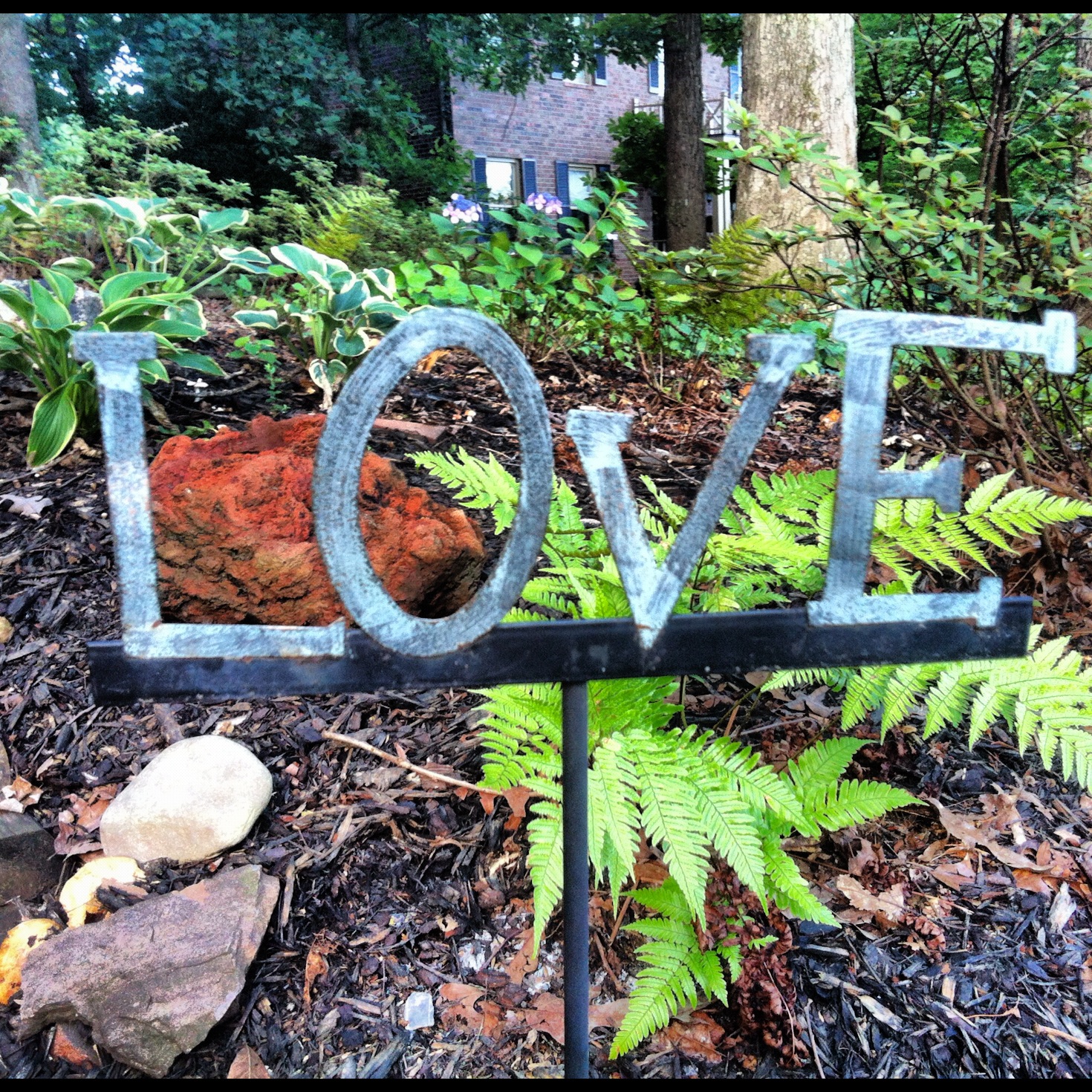
I love Home Depot. It’s my favorite store.
I’ve been going to Home Depot for 20 years and have spent untold thousands of dollars on home improvement and landscaping materials. I am a totally loyal customer.
A few months ago, I bought a dozen small bushes for my front yard. About half of them died. The store has a one-year guarantee on its plants so I took a picture of the dead plants (instead of uprooting them and carrying the six dirt balls in my car) and went to the store for a refund.
When I presented my claim to the service clerk I was told that I would have to drive home, dig up the plants and show the evidence before I could get my refund. When I explained that I wasn’t about to make another 40-minute round-trip visit to get the dead plants, the clerk said, “Well, for all we know that could be a picture of your neighbor’s yard.”
This is not a post bitching about Home Depot. It’s a post about the feeling we have when we’re rejected by a favorite company. You see, to me, Home Depot is not just a brand, it’s a buddy. It’s somebody I thought I could trust.
Brand betrayal
 I felt like my friend was calling me a liar. After all we have been through? The epic kitchen remodeling? The new tile in the bathroom? The rock garden? After all that, my friend wasn’t about to help me out on $20 worth of plants?
I caught myself actually feeling betrayed. For decades, I had been loyal to Home Depot … but I wasn’t feeling the love back. I felt kind of sheepish and silly. Why would I expect anything in return …. they were just a big company, right?
And yet, don’t we form these strong relationships with our favorite brands just like we form a friendship? Friendships don’t happen immediately. It takes a history of small interactions that slowly builds trust, and eventually an emotional bond.
That’s really the amazing opportunity with social media. too. It allows us to make a series of small connections with potential customers that lead to trust and eventually relationships. That’s why in my books and lectures I emphasize that success on the social web is no longer in the form of B2B or B2C — it’s P2P, Person to Person.
With this experience with Home Depot. I felt it was B2N — Business to Nobody.
Building something better
 Let’s rewind the clock and see how this could have been much different. What could Home Depot have done to provide a constant drip, drip, drip of consistent, helpful, small interactions that would have built our “friendship?”
A few years ago, I signed up for the Home Depot Garden Club. Since I buy so much stuff from them I figured I would get some good deals for my loyalty. Turns out it was a huge bust. All I got were some flyers and useless emails. Let’s create a plan where a series of small, helpful interactions would lead to loyalty and increased purchases:
- Home Depot has a record of everything I have ever purchased. Why wouldn’t they send me email offers based on what I have bought, the season of the year, and the region where I live? They could actually forecast my needs.
- Even better, wouldn’t it be cool if I received a tweet reminding me to give my bushes a little extra water because of the drought conditions in my area? Or maybe offer me a free drought-resistant plant that they just introduced?
- These small interactions could lead me to helpful tips on the Home Depot site. They have nearly 11,000 posts about gardening ideas and yet I probably would not think to go there unless they make an effort to connect with me in a way that would lead me to their blog.
- Once I arrive at their site, I would like to log-in to a personal area where I can see an inventory of every plant I have bought and reminders of fertilizer and pruning needs. Why not have a “buy now” button and have my purchase delivered to me the next day or waiting for pick-up at the store?
- I would like to be invited to submit photos of my landscaping accomplishments. After all that sweaty work, why not show off the results and become inspired by the work of others?
- Finally, when my bushes die, it would be nice for the customer service agent to ask me if I am a member of the Garden Club, look at my purchase history, confirm that I bought the plants and be empowered to solve my problem on the spot.
You can see how these small, consistent, meaningful interactions would absolutely lead to customer loyalty, word of mouth recommendations, and increased purchases.
So Home Depot, I still love you, even though I feel jilted. I’m hoping you’ll come around. After all, friendships are about second chances, right?
I would love to hear from you in the comment section. What companies are doing a great job providing you with helpful, small interactions? How are you doing that for your customers … your loyal friends?
Illustrations: Photos from my garden.